I've never seen or talked to my grandfather for my entire life.
No, he's not dead. He's still alive.
When my dad was about six years old, my grandfather abandoned his family. He was driven to do so as a result his addiction to alcohol. This addiction almost destroyed my dad's family. My dad was forced to live fatherless and in poverty.
This is only one example out of countless of how drugs can impact people.
People can be swayed to do drugs from several factors: having a large amount of drugs available, their close friends and family doing them, peer pressure, and stress. They can be taken in pill form, snorted up the nose, smoked, or injected directly and they're now widely available and in everything from our music to our schools.
Our society has now became so dependent on drugs that almost all of our music contains it. Drugs are described, used to make comparisons, and usage is bragged about.
There are so many other activities to do besides drugs, why can't our society get off our phones and stop doing drugs?
By the time that they graduate high school, about half of teenagers have at least tried some form of a drug. This is especially harmful because people are most likely to become addicted when they're teenagers.
To prevent more teens from becoming addicted, schools should promote saying no to drugs throughout the students' school careers, rather than just primarily when they're in elementary school.
When I began my research on my topic, I thought that people could just choose stop taking drugs and that anyone who was addicted was just choosing to be so.
What most people, like me at the beginning of my research, don't understand fully is how deeply an addiction can attach itself to a person. Once a person is addicted to a drug, they can't just voluntarily choose to stop using the drug due to relapses. In order to end the relapses, several years of treatment must be taken.This process can last the whole rest of the addict's life.
Drug addiction can't just disappear- it takes a huge amount of time and effort.
Once I became aware of how serious drug addiction was, my views on drug usage changed completely. Before this project, I was totally open to trying a drug. Now, I wouldn't dare to use one out of fear that I would find it appealing and become addicted.
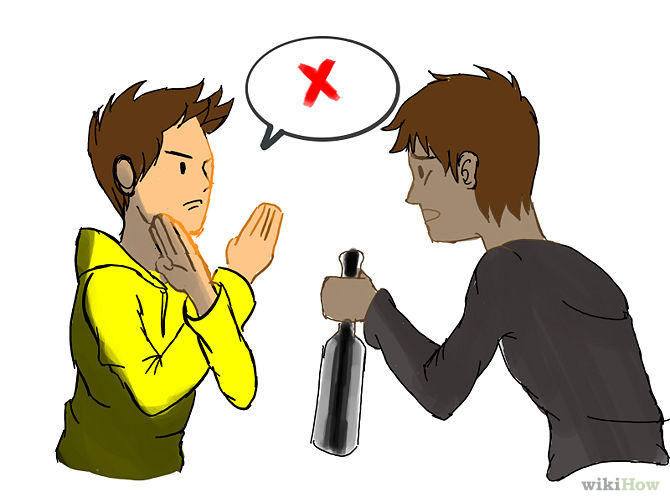
Ironically, I had an opportunity to do a form of a drug after finishing my research. While before I probably would've gladly taken the chance, I declined to take it.
I'm appreciative of how this project has influenced my lifestyle and I hope that it has positively influenced yours as well.
Showing posts with label teenagers. Show all posts
Showing posts with label teenagers. Show all posts
Thursday, May 14, 2015

Monday, April 20, 2015
By the time that they're seniors in high school, about half of teens have used a drug or controlled substance at least once. The most common ones used are either marijuana or household substances.

I asked ten people whose ages range from 15-19 and that had used some type of controlled substance or drug the same three questions:
Every person that I'd asked had a different reason for taking whatever drug/controlled substance that they'd done. Boredom, experimentation, wanted acceptance, being told to do so, wanting to appear "cool", and doing them because everyone else was doing so were included in their reasons for doing drugs.
Some people stated that the drugs that they had taken had helped them with their problems.
Source
I asked ten people whose ages range from 15-19 and that had used some type of controlled substance or drug the same three questions:
- Why did you take whatever you did?
- Do you feel like you took it out of peer pressure?
- Do you have any regrets about what you did?
Every person that I'd asked had a different reason for taking whatever drug/controlled substance that they'd done. Boredom, experimentation, wanted acceptance, being told to do so, wanting to appear "cool", and doing them because everyone else was doing so were included in their reasons for doing drugs.
- "I did it because I wanted to feel loved and accepted. I wanted people to like me."
- "I was bored and wanted to have fun."
- "I did it purely out of curiousity. There was no pressure."
Some people stated that the drugs that they had taken had helped them with their problems.
- "It kind of helped me in a werd way. I became more socially active. I used to be really shy around everyone. It made me more relaxed and stressed about certain things."
Source
Monday, April 13, 2015
Drug Addiction
In 2012, about 23 million people in the United States were suffering from addiction to either drugs or alcohol. Only 4 million of these people, or about 17%, received treatment.

What caused all these people get addicted to drugs? How does addiction affect people's lives? Is it possible to recover from addiction?
Addiction begins when a user of a drug begins to prioritize drugs over their own lives- including their friends and family, goals, and any responsibilities.
Increased drug usage among people occurs mostly due to peer pressure, sexual or physical abuse, being on bad terms with loved ones, being around others that also use drugs, and having them available. Addiction is more likely to occur among younger people, from genes inherited, or among people with mental illnesses.
If an addicted person attempts to stop their drug usage, they often fail due to relapses. Relapses are when an addicted person begins drug usage again after attempting to stop, and are began by specific triggers. Triggers can be people, stress, smells, or songs- and vary for different people. Triggers release a chemical called dopamine into the addict's brain, which gives them both pleasure and intense cravings for drugs. Triggers often occur without a person knowing. Drug abuse treatment often has to be continued throughout the addict's life due to relapses caused by these triggers in order for successful recovery to be reached. When a relapse occurs, the person in recovery should either restart or change their treatment again- a relapse doesn't necessarily mean that a treatment failed.
Drug addictions can't be instantly cured, and treatments are ongoing processes. In order to have a successful recovery, addicts must be eager to gain additional help if needed, keep maintaining a healthy lifestyle, and have support from family and loved ones in the process.
People can get the treatment that they need in hospitals, clinics, or residential treatment centers that they can reside in. Patients recovering from addiction are often treated through either therapy or medication. Recovery therapy can either be one-on-one, or with a group of people.
A variety of medication can be used in the recovery process to treat addiction. Medication is usually used in the beginning of treatment process, in order to treat the symptoms of detoxification. Detoxification is when a patient's body begins to rid itself of the drug that it had been addicted to. Medication can also be given to patients in order to remove specific withdrawal symptoms. Methadone and buprenorphine are often given to extreme addictions. Smokers can be aided in quitting by taking nicotine in either nicotine gum or in patches. Naltrexone or disulfiram can help people suffering from alcoholism
Drug addiction can cause health problems, destroy families and communities, unemployment, child abuse, violence, crime, and other issues. Addiction and both its effects and lengthy recovery process can be avoided entirely by simply not taking any drugs.
Is taking drugs truly worth the risk of becoming addicted to them? If people knew more about the effects of taking a drug before doing so, would less people become addicts?
Sources
Source 1
Source 2
Source 3
Source 4

What caused all these people get addicted to drugs? How does addiction affect people's lives? Is it possible to recover from addiction?
Addiction begins when a user of a drug begins to prioritize drugs over their own lives- including their friends and family, goals, and any responsibilities.
Increased drug usage among people occurs mostly due to peer pressure, sexual or physical abuse, being on bad terms with loved ones, being around others that also use drugs, and having them available. Addiction is more likely to occur among younger people, from genes inherited, or among people with mental illnesses.
If an addicted person attempts to stop their drug usage, they often fail due to relapses. Relapses are when an addicted person begins drug usage again after attempting to stop, and are began by specific triggers. Triggers can be people, stress, smells, or songs- and vary for different people. Triggers release a chemical called dopamine into the addict's brain, which gives them both pleasure and intense cravings for drugs. Triggers often occur without a person knowing. Drug abuse treatment often has to be continued throughout the addict's life due to relapses caused by these triggers in order for successful recovery to be reached. When a relapse occurs, the person in recovery should either restart or change their treatment again- a relapse doesn't necessarily mean that a treatment failed.
Drug addictions can't be instantly cured, and treatments are ongoing processes. In order to have a successful recovery, addicts must be eager to gain additional help if needed, keep maintaining a healthy lifestyle, and have support from family and loved ones in the process.
People can get the treatment that they need in hospitals, clinics, or residential treatment centers that they can reside in. Patients recovering from addiction are often treated through either therapy or medication. Recovery therapy can either be one-on-one, or with a group of people.
A variety of medication can be used in the recovery process to treat addiction. Medication is usually used in the beginning of treatment process, in order to treat the symptoms of detoxification. Detoxification is when a patient's body begins to rid itself of the drug that it had been addicted to. Medication can also be given to patients in order to remove specific withdrawal symptoms. Methadone and buprenorphine are often given to extreme addictions. Smokers can be aided in quitting by taking nicotine in either nicotine gum or in patches. Naltrexone or disulfiram can help people suffering from alcoholism
Drug addiction can cause health problems, destroy families and communities, unemployment, child abuse, violence, crime, and other issues. Addiction and both its effects and lengthy recovery process can be avoided entirely by simply not taking any drugs.
Is taking drugs truly worth the risk of becoming addicted to them? If people knew more about the effects of taking a drug before doing so, would less people become addicts?
Sources
Source 1
Source 2
Source 3
Source 4
Subscribe to:
Posts (Atom)